skip to main content

We analysed 86 UK energy companies’ websites. Only one was truly AI-ready.

We analysed 86 UK energy companies to see how ready they are for AI search. The average AI Readiness score was just 36 out of 100, and only one company cleared our benchmark of 70. The biggest issue wasn’t technical performance. Most websites could be accessed by AI platforms, but far fewer gave them enough clarity, evidence, and confidence to recommend the business.


Which third-party sources shape AI search recommendations?

Our research into AI visibility in the energy sector found that LinkedIn was the most cited third-party source in AI search answers, appearing in 15.3% of responses. However, organisations with stronger third-party authority were no more likely to appear in AI answers. External coverage helps AI search tools validate your story, but it can’t compensate for a website that doesn’t clearly explain who you are, what you do, and why you should be recommended.

Where AI search gets information about your organisation and how to influence it

AI search tools build their understanding of your organisation from your website, LinkedIn, press coverage, industry publications, government websites, reviews, and other credible sources. Our research into 86 UK energy organisations suggests that clear owned content and consistent third-party evidence give AI search tools a stronger information base from which to understand and represent an organisation.

We analysed AI search readiness in the energy sector. Here’s what the 10 best-prepared companies have in common.

We analysed 86 UK energy organisations to understand how prepared they are for AI-driven search. Looking at the ten highest-scoring companies, five trends stand out: they describe their services clearly, give important offers dedicated space, define who those offers are for, connect them to tangible outcomes, and provide evidence to support their claims.

What Google’s latest AI search guidance really means for marketers

The search landscape is shifting quickly, with features, user behaviour and industry commentary updating almost every day. Google is obviously central to that shift towards AI search, as it continues encouraging users towards generative AI experiences through features like AI Overviews and AI Mode. That makes its “Guide to Optimising for Generative AI Features on […]

How to write content for AI Overviews

Love it or hate it, everyone’s seen it.  Google’s AI Overviews are changing the way your search results appear. Now, AI-generated summaries will often answer user questions before the usual list of site links we’ve come to expect. In fact, 47% of Google Search results now include an AI Overview – at least, according to AI […]

How to use (& not to use) Google Ads’ generative AI

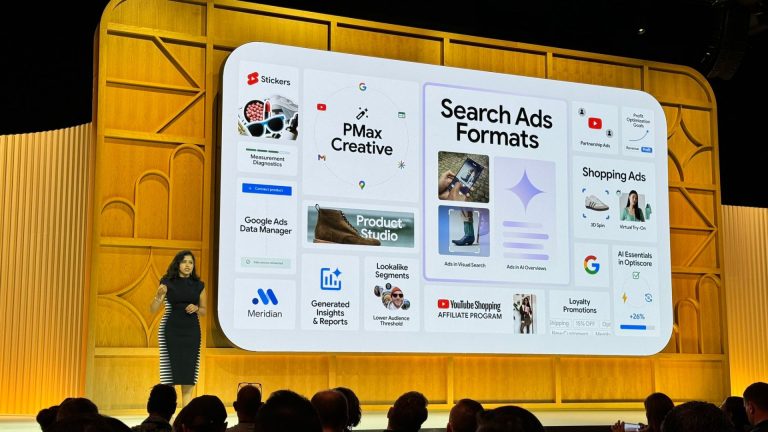
AI has taken the world of digital marketing by storm. We’ve seen AI being used in Google Analytics, it’s changing the way we approach content marketing and what we post on social media. Now, it’s the turn of Google Ads. The platform already includes a range of AI features and, at Google Marketing Live, recently […]

Google Ads AI article card

E-E-A-T: What Google’s new guidelines mean for search marketing

E-A-T: expertise, authoritativeness and trustworthiness. Until the end of last year, these were the three criteria which Google used to assess the quality of a webpage. In December 2022, that changed. Now, Google talks about “E-E-A-T”: Experience, Expertise, Authoritativeness and Trustworthiness. On the surface, it might not be clear just what this change means and […]